















Fine Art and Illustrations

Throughout my career, I have developed thousands of sketches, concepts, product mock-up drawings, and sculptural studies as part of my creative process and product development work. This section presents a curated selection that highlights the breadth and versatility of that practice. Included are early-stage ideation sketches, refined product renderings, dimensional mock-ups, and hand sculpted forms used to explore scale, proportion, ergonomics, and visual language. These works illustrate how I translate abstract ideas into tangible, testable forms that inform design direction, support cross-functional collaboration, and elevate the final product outcome.

Illustration and Sketches

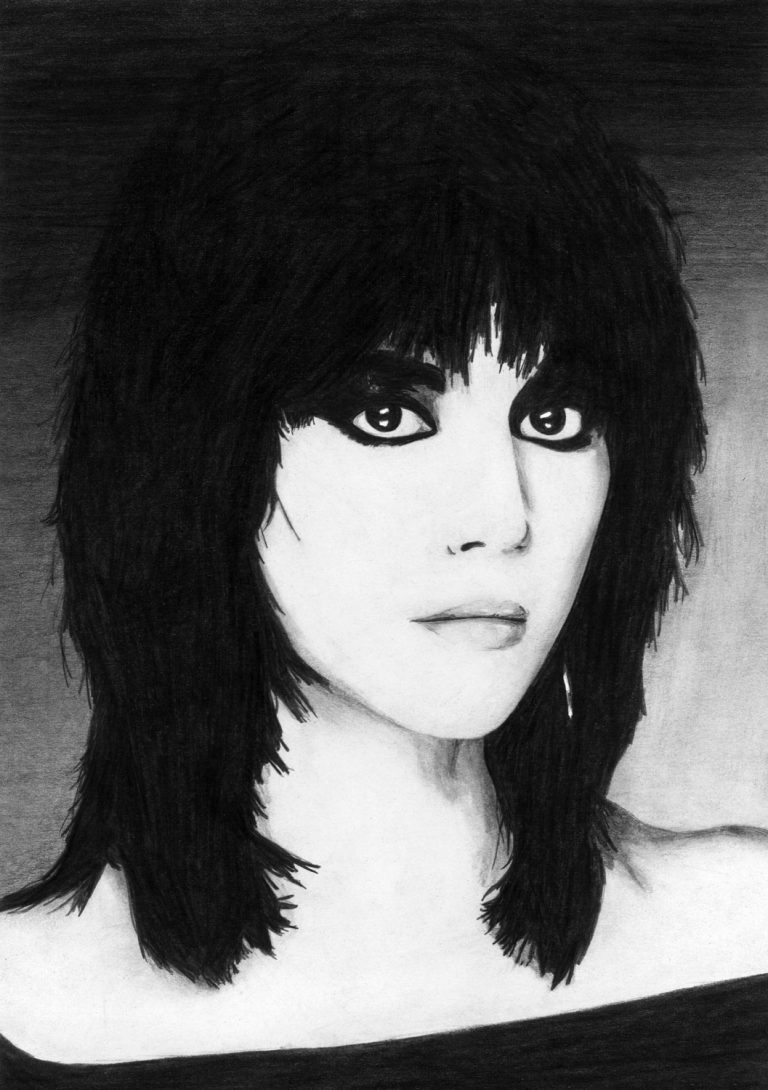
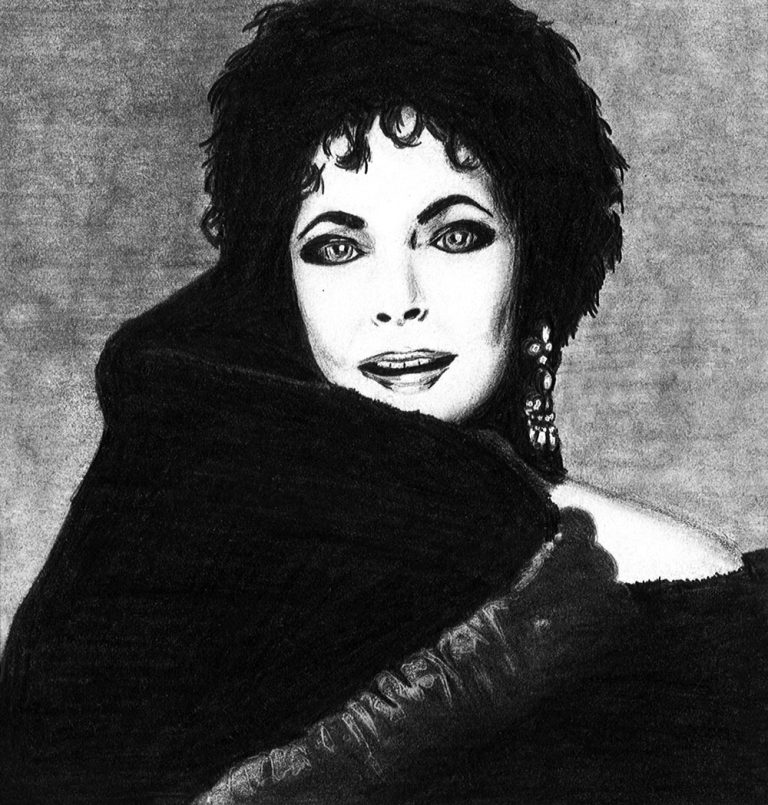
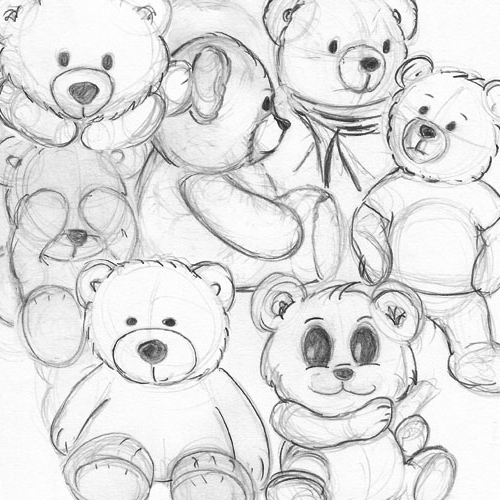
These illustrations showcase a refined graphite pencil technique that balances expressive line work with controlled tonal rendering, combining bold, high-contrast shading and soft gradient transitions to create depth, texture, and atmosphere across both portraiture and sketch studies; the portraits emphasize dramatic value range, stylized features, and confident mark-making, particularly in the hair, eyes, and fabric, while the teddy bear studies demonstrate a looser, exploratory approach with visible construction lines, light gestural strokes, and subtle form-building that highlights an understanding of volume, proportion, and character through iterative sketching.

Tools used: 4B pencil, HB pencil

Design Concept Sketching

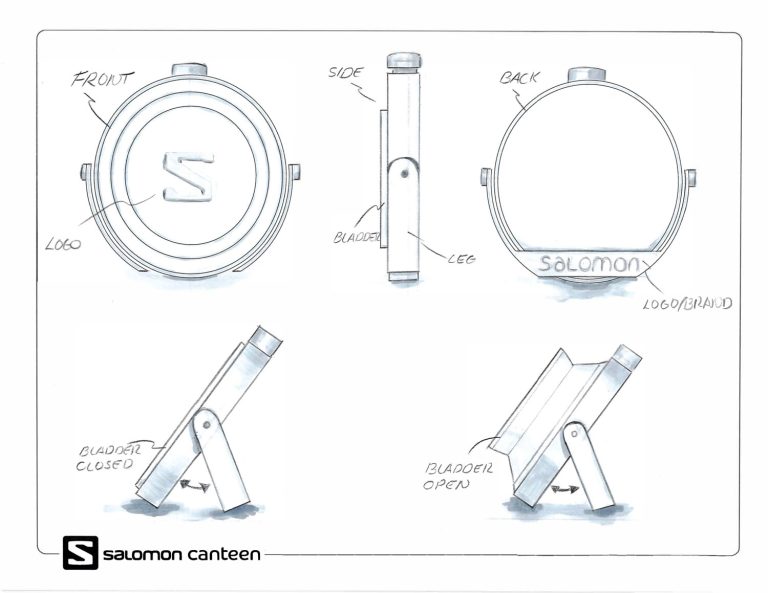
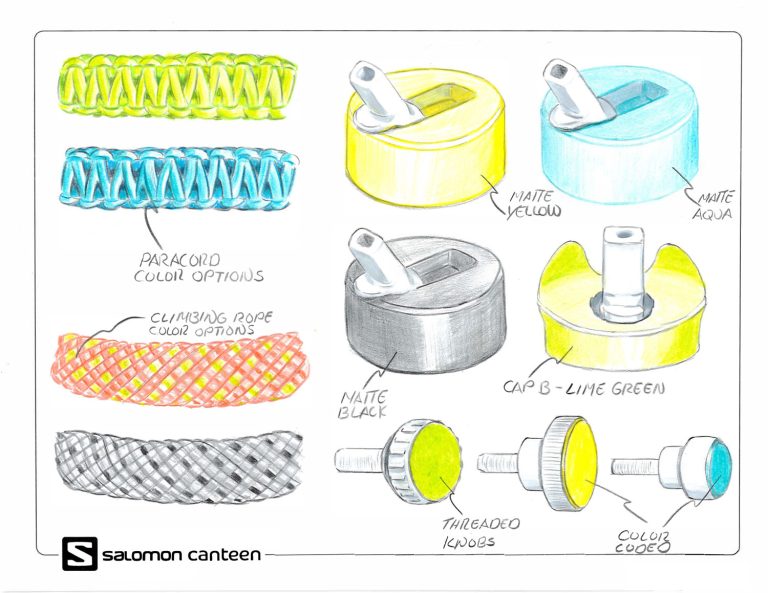
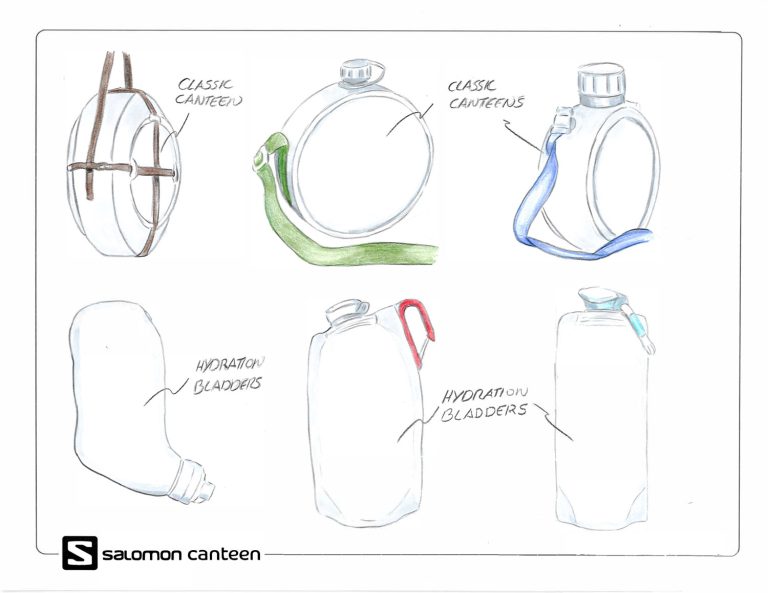
These concept sketches present a clean, industrial design approach that blends exploratory ideation with refined product visualization, using controlled pencil line work, subtle marker rendering, and light tonal shading to clearly communicate form, materials, and function; the technique emphasizes precise contour lines, soft gradients, and restrained color accents to differentiate components and finishes, while maintaining a cohesive, presentation-ready aesthetic. From a conceptual standpoint, the work explores a modern reinterpretation of the classic canteen, evolving from traditional strap-based forms and soft hydration bladders into a compact, structured, and brand-forward solution, highlighting usability features such as integrated stands, ergonomic proportions, modular caps, and customizable elements like paracord wraps and color-coded components; the layout reinforces this thinking through orthographic views, detail callouts, and component studies, effectively guiding the viewer from initial inspiration through functional innovation and final product intent.

Tools used: HB pencil, .05 ink pen, color pencils, markers

Sculpting

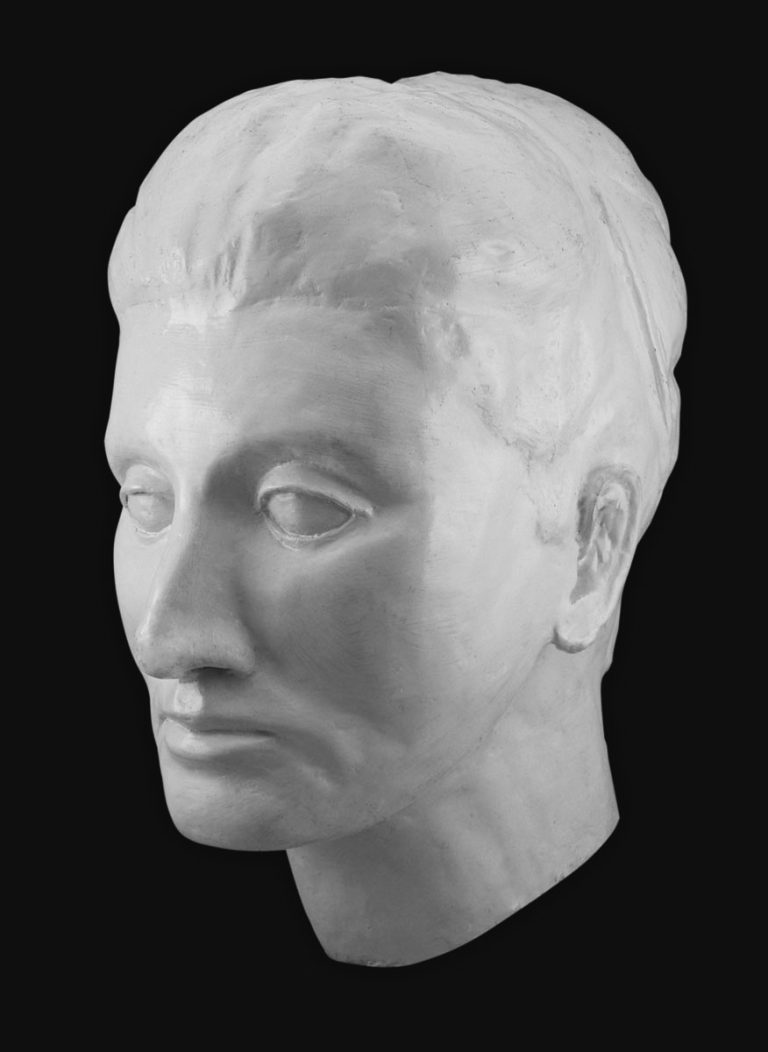
This sculpture reflects a classical, study-driven approach to portraiture, emphasizing structure, proportion, and subtle anatomical accuracy over stylization. Modeled in clay and cast in plaster, the piece demonstrates a disciplined additive process, where primary forms are carefully established and refined into secondary planes, particularly visible in the treatment of the brow, cheekbones, and jawline. The surface retains a soft, hand-worked quality, with gentle tool marks and smoothed transitions that capture the tactile nature of the clay while allowing light to articulate the form through nuanced highlights and shadows. Conceptually, the work reads as an academic exploration of human form and volume, focusing on the balance between realism and abstraction; rather than pursuing hyper-detail, it prioritizes mass, proportion, and the underlying geometry of the head, resulting in a timeless, contemplative study that highlights both technical control and a sensitivity to sculptural presence.

Materials: Clay sculpture cast in plaster.